Why Pilates Changed My Daily Move—A Real Talk on Strength, Stability, and Sustainable Fitness
I used to think fitness meant sweating hard and pushing limits. Then I tried Pilates—and everything shifted. It’s not about intensity; it’s about awareness. Over months, I noticed real changes: better posture, less tension, more control. This isn’t a quick fix, but a lasting shift. If you’re tired of workouts that leave you sore but not stronger, maybe it’s time to slow down and reconnect. Let me walk you through how Pilates became my go-to for balanced, mindful movement.
The Wake-Up Call: When Traditional Workouts Stopped Working
For years, the fitness world told me that results came from pushing harder—more reps, faster runs, heavier lifts. I followed that path faithfully, logging long hours at the gym with high-intensity interval training, weight circuits, and weekend boot camps. At first, progress felt exciting. My clothes fit better, and I could lift more than before. But over time, something began to shift. The soreness didn’t go away. My shoulders ached constantly, my lower back flared up after certain movements, and I started dreading workouts instead of looking forward to them. I was tired all the time, not just physically but mentally. The effort no longer felt rewarding—it felt like punishment.
That’s when I realized something important: strength isn’t just about how much you can lift or how fast you can run. True strength includes stability, balance, and the ability to move efficiently without pain. I had built power in some muscles, but I had neglected others—especially the deep core and postural muscles that keep the body aligned and protected. I was strong in bursts but fragile in structure. Research began to confirm what my body already knew: chronic high-intensity training without attention to form and recovery can lead to overuse injuries, muscle imbalances, and burnout. A 2019 review published in the Scandinavian Journal of Medicine & Science in Sports highlighted that excessive focus on intensity without adequate neuromuscular control increases injury risk, especially among adults over 30.
It was clear I needed a different approach—one that didn’t ask me to push through pain but instead invited me to listen. I started exploring mind-body disciplines, curious about practices that emphasized control over speed and alignment over volume. That’s how I discovered Pilates. At first, I was skeptical. It didn’t look hard. There were no jumping jacks, no sweat-drenched shirts, no finish-line rush. But within weeks of consistent practice, my body began to respond in ways it hadn’t in years. The nagging back tension eased. My posture improved. I stood taller without thinking about it. Movement felt smoother, quieter, more connected. This wasn’t about getting stronger in the way I once understood it. It was about building resilience from the inside out.
What Pilates Really Is (And Isn’t)
Before I began practicing, I assumed Pilates was just another form of gentle stretching—something you do when you’re injured or too tired for a real workout. I wasn’t alone in that belief. Many people confuse Pilates with yoga or view it as a low-impact activity only for older adults or dancers. But the truth is, Pilates is a highly structured system of movement developed by Joseph Pilates in the early 20th century. Originally called “Contrology,” it was designed to strengthen the body with a focus on precision, control, and balanced muscular development. Unlike many fitness trends, Pilates isn’t built for spectacle. It’s built for function.
At its core, Pilates emphasizes six foundational principles: centering, concentration, control, precision, flow, and breath. These aren’t abstract ideas—they’re practical tools that shape every movement. Centering means engaging the deep core muscles, often referred to as the “powerhouse,” which includes the transverse abdominis, pelvic floor, and deep spinal stabilizers. Concentration requires full attention on each motion, ensuring that movement is intentional rather than habitual. Control replaces momentum with muscular engagement, so every lift, stretch, and rotation is performed with deliberate effort. Precision ensures that alignment is maintained, reducing strain and maximizing effectiveness. Flow connects movements smoothly, improving coordination. And breath is used strategically to support effort, enhance oxygenation, and maintain rhythm.
One of the most powerful aspects of Pilates is that it builds strength without bulk. Because the exercises rely on controlled resistance—often using just body weight or light equipment like resistance bands or a Pilates ring—it tones and lengthens muscles rather than bulking them up. This makes it especially beneficial for those who want functional strength without the joint stress of heavy lifting. Research from the Journal of Sports Science & Medicine in 2020 found that participants who practiced mat-based Pilates three times a week for 12 weeks showed significant improvements in core endurance and postural alignment, with no increase in muscle hypertrophy.
Another common misconception is that Pilates is only for women or “too easy” for serious athletes. In reality, Pilates has long been used by professional dancers, gymnasts, and rehabilitation patients to improve stability, prevent injury, and recover from strain. Physical therapists often incorporate Pilates-based exercises into recovery programs for lower back pain, hip imbalances, and post-surgical rehabilitation. Its versatility lies in its scalability—beginners can start with basic pelvic tilts and breathing exercises, while advanced practitioners can progress to complex sequences on equipment like the reformer or Cadillac. The goal isn’t to impress; it’s to move well.
The Science Behind the Shift: How Pilates Reshapes Your Body
What makes Pilates effective isn’t just how it feels—it’s what science shows about its impact on the body. Unlike traditional strength training, which often targets large muscle groups in isolation, Pilates works the body as an integrated system. It activates deep stabilizing muscles that are frequently overlooked in conventional workouts. These include the multifidus, transverse abdominis, and pelvic floor—all critical for spinal support and pelvic stability. When these muscles are weak or underactive, the body compensates by overusing larger, more superficial muscles, leading to poor posture, joint strain, and chronic discomfort.
Studies have consistently demonstrated the physical benefits of regular Pilates practice. A 2021 meta-analysis published in BMC Musculoskeletal Disorders reviewed 23 clinical trials and concluded that Pilates significantly reduces chronic lower back pain, with effects comparable to physical therapy. Another study in the Journal of Aging and Physical Activity found that older adults who practiced Pilates twice a week for 16 weeks improved their balance, reduced fall risk, and increased functional mobility. For desk workers, Pilates has been shown to counteract the negative effects of prolonged sitting by strengthening the glutes, improving thoracic mobility, and reducing forward head posture.
One of the most profound effects of Pilates is on neuromuscular control—the brain’s ability to communicate with muscles. Through mindful repetition, Pilates enhances proprioception, which is the body’s sense of where it is in space. This is crucial for preventing injuries, especially as we age. When you can sense subtle shifts in balance or alignment, you’re better equipped to correct them before they lead to strain. Pilates also improves motor control, meaning your movements become more efficient and coordinated. Over time, this leads to better posture not just during exercise, but throughout the day—when sitting, standing, or lifting groceries.
Additionally, Pilates influences the way we breathe. Many people habitually engage in shallow chest breathing, which activates the sympathetic nervous system and can contribute to stress and tension. Pilates teaches lateral thoracic breathing—inhaling deeply into the sides and back of the ribcage while keeping the abdominal wall engaged. This type of breathing supports core stability while also calming the nervous system. A 2018 study in Complementary Therapies in Clinical Practice found that women who practiced Pilates for eight weeks reported lower perceived stress levels and improved sleep quality, suggesting that the practice has both physical and psychological benefits.
Building a Weekly Plan: From Beginner to Consistent Practice
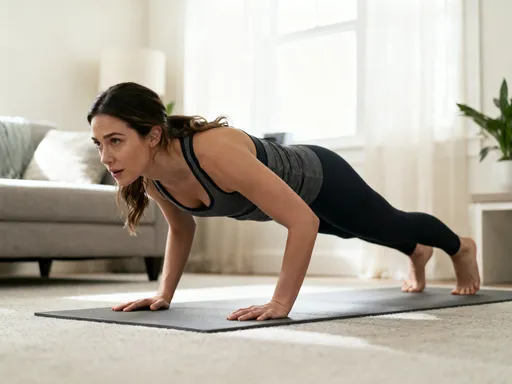
Starting a Pilates practice doesn’t require expensive equipment or a studio membership. A simple mat and 10 to 30 minutes a day are enough to begin seeing results. The key is consistency and gradual progression. For beginners, it’s more effective to practice short sessions regularly than to do one long session and then skip days. The following is a realistic 7-day starter plan designed to introduce foundational movements, build body awareness, and establish a sustainable routine.
Days 1 and 2 focus on breathing and pelvic awareness. Begin by lying on your back with knees bent and feet flat on the floor. Practice lateral thoracic breathing: inhale deeply into the sides of the ribcage, allowing the ribs to expand, and exhale fully, gently drawing the lower abdomen inward. Then, add pelvic tilts—on the exhale, gently rock the pelvis upward, flattening the lower back against the mat, and on the inhale, return to neutral. This simple movement teaches core engagement and spinal articulation.
Days 3 and 4 introduce two classic Pilates exercises: the “hundred” and the spine stretch. The hundred begins with lifting the head, neck, and shoulders off the mat while pumping the arms up and down in small movements. It builds endurance in the deep abdominal muscles. The spine stretch, performed in a seated position, involves rounding the spine forward and then returning to an upright posture, improving spinal mobility and hamstring flexibility. Both exercises emphasize breath coordination and control.
Days 5 to 7 incorporate bridging, leg slides, and the side-lying series. Bridging strengthens the glutes and hamstrings while maintaining pelvic stability. Leg slides teach core control as one leg extends along the mat while the pelvis remains still. The side-lying series—such as leg lifts and hip abductions—targets the outer hips and improves lateral stability. Each movement should be performed slowly, with full attention on alignment and breath.
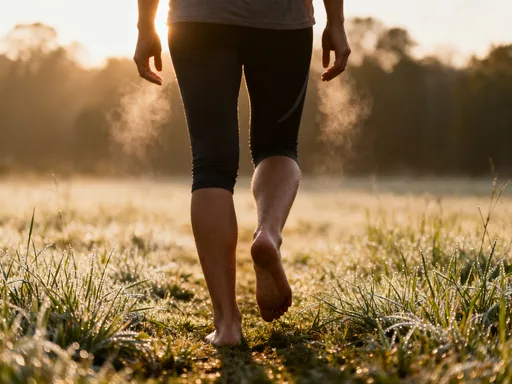
As you progress, you can increase session length, add repetitions, or explore equipment-based variations. However, the focus should always remain on quality over quantity. Pilates can easily be integrated with other forms of exercise. For example, pairing it with daily walking creates a balanced routine—cardiovascular health from walking, stability and alignment from Pilates. It also complements strength training by improving movement efficiency and reducing injury risk. The goal is not to replace other activities but to enhance them through better body control.
Beyond the Mat: Pilates as a Lifestyle Mindset
The transformation Pilates brings isn’t limited to the 20 minutes you spend on the mat. Its principles begin to influence how you move throughout the day. You start to notice when you’re slouching at your desk or shifting your weight unevenly while standing. You become more aware of how you lift objects, whether it’s a suitcase or a laundry basket. You catch yourself before twisting your spine awkwardly or bending from the waist instead of the hips. These small shifts add up to significant changes in posture, joint health, and daily comfort.
This heightened body awareness is one of Pilates’ most valuable gifts. It fosters a mindset of intentional movement—choosing how you move rather than defaulting to habit. Over time, this awareness becomes second nature. You sit taller not because you’re forcing it, but because your core is engaged and your spine is aligned. You walk with more ease because your hips are balanced and your shoulders are relaxed. These are not aesthetic changes; they are functional improvements that support long-term well-being.
Equally important is the mental shift Pilates encourages. In a world full of distractions and constant demands, Pilates offers a space to slow down and reconnect. The focus on breath and precision creates a form of active mindfulness. Unlike passive relaxation, this is engagement—your mind is fully present, tuned into the subtle sensations of movement. This mental reset can reduce stress, improve concentration, and enhance emotional resilience. Many practitioners report feeling calmer, clearer, and more centered after a session, not just physically but mentally.
For busy women juggling family, work, and personal responsibilities, this sense of control is invaluable. Pilates doesn’t ask for hours of your time. It asks for presence. And in that presence, there’s empowerment. You’re no longer reacting to pain or fatigue—you’re learning to prevent it. You’re not just surviving your day; you’re moving through it with strength and grace.
Troubleshooting Common Challenges
Progress in Pilates isn’t always linear. Many beginners feel frustrated when they can’t engage their core, struggle to understand verbal cues like “scoop the abdomen,” or feel stiff and uncoordinated. These challenges are normal and temporary. The first step in overcoming them is understanding that Pilates is a skill, not an innate ability. Just like learning to play an instrument or speak a new language, it takes time, repetition, and patience.
One of the most common difficulties is isolating the deep core muscles. Many people confuse core engagement with sucking in the stomach or holding their breath. True core activation involves a gentle drawing-in of the lower abdomen, as if zipping up a tight pair of jeans, while maintaining steady breathing. Using a mirror or recording yourself can help you see whether your pelvis is moving or your shoulders are rising during exercises. Working with a certified Pilates instructor, even for just a few sessions, can provide personalized feedback and correct misalignments early.
Another challenge is dealing with stiffness or limited mobility. If you’ve spent years sitting or moving in repetitive patterns, your body may resist new movements. Instead of forcing a stretch, focus on small, controlled repetitions. Over time, mobility will improve. Modifications are also essential—using a pillow under the head, bending the knees during abdominal work, or practicing seated versions of exercises can make the practice accessible and effective.
Perhaps the most important mindset shift is letting go of perfection. Pilates isn’t about doing every movement flawlessly. It’s about showing up, paying attention, and making progress—no matter how small. Celebrate the subtle wins: holding a position for one breath longer, noticing less tension in your neck, or simply remembering to breathe during a challenging moment. These are signs of growth. With self-compassion and consistency, the body adapts, the mind connects, and the benefits compound.
Making It Last: Integrating Pilates Into Long-Term Wellness
Sustainable fitness isn’t about intensity; it’s about integration. The reason Pilates has stayed in my routine for years is that it doesn’t burn me out—it builds me up. It fits into life, rather than demanding that life revolve around it. Whether I’m traveling, recovering from a minor strain, or adjusting to a new schedule, I can adapt my practice. A 10-minute session on the floor of a hotel room, a few seated breathing exercises during a work break, or a full mat class at home—all of it counts.
To make Pilates a lasting part of your wellness journey, set realistic goals. Instead of aiming for dramatic changes, focus on subtle improvements: better balance, reduced discomfort, increased energy. Track progress not by the mirror, but by how you feel—can you stand longer without back pain? Do you feel more stable when walking on uneven surfaces? Are you more aware of your posture throughout the day? These are meaningful indicators of success.
As life changes, so can your practice. During pregnancy, postpartum recovery, or aging, Pilates can be modified to support your body’s needs. Its emphasis on control, alignment, and breath makes it adaptable across stages of life. Unlike high-impact workouts that may become unsustainable over time, Pilates evolves with you.
In the end, Pilates isn’t a shortcut to fitness. It’s a long-term investment in movement quality. It teaches you to move with strength, stability, and intention—one controlled breath at a time. And for anyone who’s ever felt strong on the outside but fragile on the inside, it offers a different path: not faster, not harder, but smarter. That’s why it changed my daily move—and why it might change yours too.