Why I Finally Fixed My Sleep — A Real Check-Up on What Actually Works
Sleep used to be my biggest struggle — tossing and turning, waking up tired, feeling foggy all day. I knew something had to change, so I took a step back and did a full check-up on my habits, mindset, and lifestyle. What I discovered wasn’t magic, but real, doable shifts that made a noticeable difference. This is the honest story of how I assessed my sleep health and found what truly works — no hype, just truth.
The Breaking Point: When Poor Sleep Became Impossible to Ignore
For years, I told myself that feeling tired was just part of being busy. Mornings began with grogginess, followed by a reliance on coffee to stay alert. By mid-afternoon, my energy would plummet, and I’d find myself staring at the same sentence on my screen for ten minutes, unable to focus. My mood became unpredictable — short-tempered with small frustrations, emotionally drained by evening. I wasn’t living well, but I didn’t connect the dots to my sleep.
The turning point came during a family weekend trip. I fell asleep on the couch at 7 p.m., waking up disoriented and embarrassed. My daughter gently asked if I was okay. That moment stung. I realized I wasn’t just missing out on rest — I was missing out on life. Simple joys like playing board games, helping with homework, or even enjoying dinner conversation felt like efforts I had to push through. My fatigue wasn’t just physical; it was stealing my presence.
What I later learned is that my experience is far from rare. Millions of adults, especially women in midlife, struggle with poor sleep without recognizing the cumulative toll. Chronic sleep disruption doesn’t just cause tiredness — it affects memory, decision-making, emotional regulation, and even metabolism. The body runs on rhythms, and when sleep is inconsistent or low quality, every system feels the strain. Ignoring it becomes a slow erosion of health, not a temporary inconvenience.
For me, the wake-up call wasn’t a dramatic medical diagnosis but a quiet realization: I could no longer accept exhaustion as normal. I needed to treat sleep not as a luxury that fits around everything else, but as a foundation of well-being that everything else depends on. That shift in mindset — from resignation to responsibility — was the first real step toward change.
Understanding Sleep Health: More Than Just Hours in Bed
When most people think of good sleep, they focus on duration — aiming for eight hours. But sleep health is more complex than a number on a clock. It includes quality, consistency, timing, and how restored you feel upon waking. You can spend eight hours in bed and still wake up unrefreshed if your sleep is fragmented or lacks deep, restorative stages. True sleep health means falling asleep within a reasonable time, staying asleep through the night, and waking with energy.
To understand what was happening in my body, I began learning about the science of sleep. The brain cycles through different stages: light sleep, deep sleep, and REM (rapid eye movement) sleep, where dreaming occurs. Each stage plays a unique role. Deep sleep supports physical recovery and immune function, while REM sleep is critical for memory consolidation and emotional processing. A full cycle lasts about 90 minutes, and we typically go through four to six cycles per night. Disruptions — from noise, stress, or screen use — can prevent completion of these cycles, leaving us mentally and physically drained.
Another key concept is the circadian rhythm — the body’s internal clock that regulates when we feel alert and when we feel sleepy. This rhythm is influenced by light, especially natural sunlight. When we ignore it — staying up late under artificial light, sleeping in on weekends, or spending days indoors — we send confusing signals to our biology. Over time, this misalignment can lead to insomnia, daytime fatigue, and even long-term risks like cardiovascular disease and metabolic disorders.
Think of sleep as system maintenance for your brain and body. Just as a computer needs regular updates and reboots to run smoothly, your body uses sleep to clear toxins, repair tissues, balance hormones, and organize memories. Without this nightly reset, performance declines, resilience weakens, and emotional stability suffers. Recognizing sleep as active, essential work — not passive downtime — changed how I valued it. It wasn’t about laziness; it was about giving my body the tools it needed to thrive.
My Personal Sleep Audit: Facing the Real Habits Holding Me Back
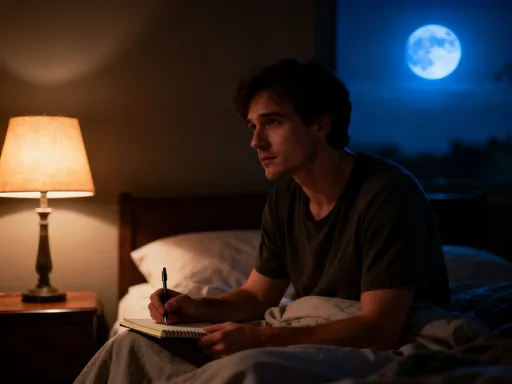
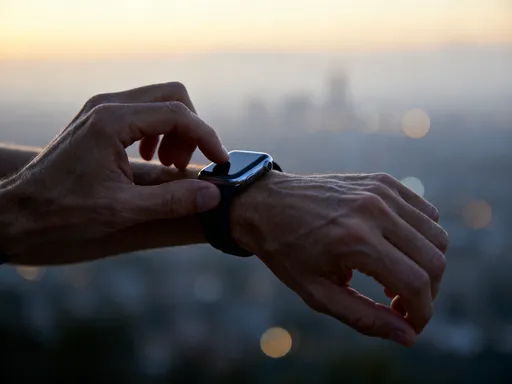
Once I understood the importance of sleep, I knew I had to look honestly at my own habits. I started a two-week sleep audit, tracking everything that might affect my rest. I kept a simple journal, noting bedtime, wake time, how long it took to fall asleep, nighttime awakenings, caffeine intake, meals, screen use, and stress levels. I also wore a general fitness tracker that provided insights into my sleep patterns, such as restlessness and estimated sleep stages. The goal wasn’t perfection but awareness.
What I discovered was uncomfortable but enlightening. I often went to bed around 11:30 p.m., but rarely fell asleep before midnight. Scrolling through my phone in bed was a nightly ritual — I told myself it helped me relax, but in reality, it kept my mind active. I consumed caffeine late in the afternoon, sometimes with evening chocolate. Dinner was often after 8 p.m., followed by lying down within an hour. My bedroom, while comfortable, had a TV across from the bed and a charging phone on the nightstand.
The audit revealed patterns I had been ignoring. My wind-down routine wasn’t a routine at all — it was a transition from busyness to screen time. My environment was more suited to entertainment than rest. And my body was receiving mixed messages: eat late, stay awake under blue light, then expect to fall asleep quickly. No wonder I struggled. The data didn’t shame me; it informed me. I realized I wasn’t failing at sleep — I was setting myself up to fail.
What helped most was approaching the audit without judgment. This wasn’t about blaming myself for poor choices but about identifying what needed to change. I began to see my habits as feedback, not failure. Each entry in my journal became a clue — a starting point for small, intentional adjustments. The act of tracking alone created accountability. I stopped seeing sleep as something that just happened to me and started viewing it as something I could influence through daily choices.
What Science Says: Separating Facts from Sleep Myths
As I dug deeper, I encountered a lot of conflicting advice. Some sources claimed you could train yourself to need less sleep. Others promised instant fixes with supplements or expensive gadgets. I wanted to know what was actually supported by science. What I found was both reassuring and empowering: the most effective strategies aren’t flashy, but they are backed by decades of research.
One of the biggest myths I believed was that I could catch up on sleep over the weekend. Many people think they can ‘store up’ rest by sleeping in on Saturday and Sunday. But research shows that irregular sleep schedules disrupt the circadian rhythm, making it harder to fall asleep Sunday night and leading to ‘social jet lag’ on Monday mornings. While extra sleep can temporarily reduce sleep debt, it doesn’t fully reverse the metabolic and cognitive effects of chronic sleep loss. Consistency matters more than occasional recovery.
Another myth is that alcohol helps you sleep. While it may make you feel drowsy, alcohol actually fragments sleep, reduces REM cycles, and increases nighttime awakenings. It relaxes the throat muscles, which can worsen snoring and breathing issues. Similarly, the idea that older adults need less sleep is false. While sleep patterns may change with age — such as earlier bedtimes or more frequent awakenings — the need for quality sleep remains constant. The body still requires deep restoration, even if the timing shifts.
Science also confirms the powerful impact of light, especially blue light from screens. Exposure to blue light in the evening suppresses melatonin, the hormone that signals sleepiness. Even short bursts of screen time can delay sleep onset by 30 minutes or more. Studies have shown that people who read on tablets before bed take longer to fall asleep and feel less alert the next morning compared to those who read printed books. Meanwhile, morning sunlight exposure helps regulate the circadian rhythm, making it easier to fall asleep at night. These findings aren’t theoretical — they’re observable, measurable, and within our control.
The Four Shifts That Changed Everything (No Pills, No Gimmicks)
With clearer understanding, I focused on four practical changes that addressed the root causes of my poor sleep. These weren’t drastic overhauls but intentional shifts, each designed to support my body’s natural rhythms. I committed to consistency, knowing that small actions, repeated over time, create lasting results.
The first shift was creating a wind-down routine. I replaced phone scrolling with a 30-minute ritual: dimming the lights, brewing herbal tea, and reading a physical book. This signaled to my brain that it was time to transition from activity to rest. I also set a digital curfew, turning off screens by 9 p.m. Within days, I noticed I felt sleepier earlier. The absence of mental stimulation made it easier to let go of the day’s thoughts.
The second shift was resetting my sleep environment. I removed the TV from my bedroom and charged my phone in another room. I invested in blackout curtains to block streetlights and used a white noise machine to mask outside sounds. I also made sure my mattress and pillows were supportive. These changes transformed my bedroom from a multitasking space into a sanctuary dedicated to rest. The psychological effect was powerful — entering the room now cues relaxation, not distraction.
The third shift involved adjusting the timing of my movement. I’ve always valued exercise, but I used to do intense workouts in the evening. Research shows that vigorous activity too close to bedtime can raise core body temperature and cortisol levels, making it harder to fall asleep. I moved my workouts to the morning or early afternoon and added a gentle 10-minute stretch before bed. This helped release physical tension without overstimulating my system.
The fourth shift was a mental reset. I realized that much of my nighttime wakefulness came from rumination — replaying conversations, worrying about tomorrow, or feeling guilty about unfinished tasks. I began ending each day with a five-minute reflection, writing down three things I was grateful for and one thing I let go of. This practice didn’t eliminate stress, but it created closure. My mind felt less cluttered, and I stopped treating bedtime as a time to solve problems.
Within three weeks, the changes added up. I fell asleep faster, woke up fewer times, and felt more alert in the morning. I didn’t achieve perfect sleep every night, but the trend was clear: my rest was deeper, more consistent, and more restorative. What surprised me most was how these shifts improved other areas of my life — my focus at work, my patience with family, even my appetite. Better sleep didn’t just fix my nights; it transformed my days.
Building a Sleep-Ready Lifestyle: Small Steps, Big Impact
Sleep doesn’t exist in isolation. It’s deeply connected to daily habits, from the moment we wake to the choices we make throughout the day. Once I stabilized my bedtime routine, I turned my attention to the broader lifestyle factors that support restful sleep.
One of the most impactful changes was prioritizing morning sunlight. I started taking a 15-minute walk outside shortly after waking, even on cloudy days. Natural light helps regulate the circadian rhythm by suppressing melatonin and signaling alertness. This small habit made it easier to feel awake in the morning and, in turn, easier to feel sleepy at night. It also boosted my mood, likely due to increased serotonin production.
Hydration played a role too. I used to drink most of my water in the afternoon, which led to nighttime bathroom trips. I shifted my intake earlier in the day and limited fluids after 7 p.m. This simple adjustment reduced awakenings and improved sleep continuity. At the same time, I paid attention to meal timing. Eating large or spicy meals late in the evening can cause discomfort and acid reflux, disrupting sleep. I began finishing dinner at least three hours before bed, opting for lighter evening snacks if needed.
Stress management became a daily practice, not just a bedtime concern. I incorporated mindfulness techniques, such as deep breathing and short meditation sessions, during the day. This prevented stress from building up and spilling into the night. I also set boundaries around work and digital communication, creating a clearer separation between responsibility and rest. These habits didn’t eliminate life’s pressures, but they gave me tools to respond with calm rather than reactivity.
What I’ve learned is that sleep support starts long before bedtime. It’s in the sunlight we absorb, the movement we embrace, the food we eat, and the way we manage our thoughts. A sleep-ready lifestyle isn’t about rigid rules — it’s about creating conditions that make rest natural, not forced. When the body feels supported throughout the day, it can surrender to sleep more easily at night.
When to Seek Help: Knowing the Limits of Self-Care
While lifestyle changes resolved much of my sleep struggle, I recognize that not all sleep issues can be fixed with routines and environment tweaks. Some conditions require professional evaluation and treatment. If you’ve made consistent efforts to improve sleep hygiene and still experience persistent insomnia, loud snoring, gasping for air at night, or excessive daytime sleepiness, it’s important to consult a healthcare provider.
Sleep apnea, for example, is a serious condition where breathing repeatedly stops and starts during sleep. It’s often undiagnosed, especially in women, and can increase the risk of heart disease, stroke, and diabetes. Restless legs syndrome, chronic insomnia, and circadian rhythm disorders also benefit from medical guidance. A sleep study, conducted either at home or in a clinic, can provide valuable insights into what’s happening during the night.
Seeking help is not a sign of failure — it’s an act of self-care. Just as we see a doctor for persistent pain or fatigue, we should feel empowered to address sleep concerns. Treatments may include cognitive behavioral therapy for insomnia (CBT-I), which is highly effective, or medical devices like CPAP machines for sleep apnea. Medications may be used short-term, but they are not a long-term solution for most people.
Normalizing sleep care reduces stigma and encourages proactive health behavior. Talking openly with a doctor, partner, or trusted friend about sleep struggles can lead to earlier intervention and better outcomes. Self-assessment is a powerful first step, but it’s not the final solution for everyone. Listening to your body and knowing when to ask for help is part of taking ownership of your health.
Improving sleep is one of the most powerful things we can do for long-term well-being. It affects mood, energy, focus, immunity, and longevity. My journey from exhaustion to better rest wasn’t about perfection — it was about awareness, small changes, and consistent effort. I learned that sleep is not a passive state but an active process of healing and renewal. By honoring it, we honor ourselves.
If you’re struggling with sleep, know that you’re not alone — and that change is possible. Start with one small step: track your habits, adjust your environment, or create a wind-down ritual. Progress may be gradual, but each choice builds toward deeper, more restorative rest. The gift of better sleep isn’t just more energy — it’s more presence, more joy, and more life. And that’s a change worth making.