How I Survived a Debt Crisis Without Losing My Mind
I used to think debt was just a number—until it started dictating my life. Late-night panic, skipped meals, avoiding calls—it felt endless. But after hitting rock bottom, I learned how to assess the real risks and take control. This isn’t about quick fixes or magic solutions. It’s about practical steps I tested, failed at, and finally got right. If you’re drowning, this might be the lifeline you need. The journey out of debt isn’t linear, and it doesn’t follow a one-size-fits-all formula. It’s personal, emotional, and often exhausting. Yet, with clarity, discipline, and the right approach, it is possible to regain stability. This is not a story of sudden wealth or luck. It’s a story of resilience, of learning to face hard truths and make better choices—one decision at a time. And if you’re in the same place I once was, feeling trapped and overwhelmed, know this: you are not alone, and recovery is possible.
The Moment Everything Cracked: Facing My Debt Reality
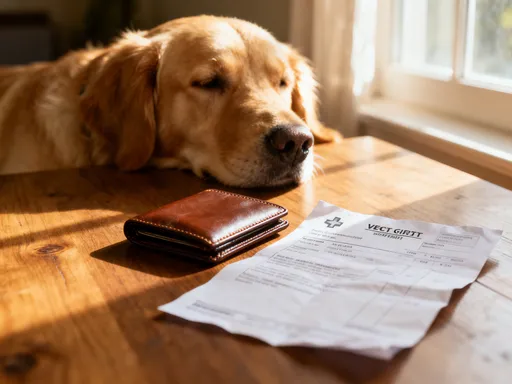
There was no single event that caused my financial collapse—only a slow accumulation of poor decisions, unexpected expenses, and willful ignorance. For years, I treated credit cards like extra income, telling myself I’d pay it off “next month.” Medical emergencies, car repairs, and family obligations piled up, each one adding another layer to the growing mountain of debt. I stopped opening statements. I avoided the bank app. The truth was too painful to face. But denial only made it worse. The turning point came on a Tuesday evening when I received a call from a collections agency about a bill I didn’t even remember. That moment shattered the illusion that I was in control. I sat at my kitchen table that night with every bill, every statement, every loan agreement spread out in front of me. I listed every debt—credit cards, medical balances, personal loans, and even the $1,200 I owed my sister. The total number was staggering. It wasn’t just the amount; it was the weight of shame and fear that came with it. But for the first time, I wasn’t hiding. I had a complete picture. That honesty, painful as it was, became the foundation of my recovery. Facing the full scope of my debt didn’t solve anything immediately, but it ended the cycle of avoidance. I finally understood that financial health begins with truth—no matter how uncomfortable it may be.
Risk Assessment: Not Just Numbers, But Consequences
Once I had the full list, I realized that not all debts carry the same level of risk. I had assumed that the largest balances were the most dangerous, but that wasn’t always true. A $500 medical bill with a high risk of being sent to collections could do more immediate damage than a $5,000 credit card with a lower interest rate and more flexible terms. I began to assess each debt not just by its size or interest rate, but by its potential consequences. Could missing a payment lead to legal action? Was there a risk of wage garnishment? Would it severely damage my credit score? These were the questions that mattered. I created a simple risk matrix, ranking each debt based on urgency and impact. Secured debts—like a car loan—ranked high because defaulting could mean losing the asset. Unsecured debts, like credit cards, were less immediately dangerous but still harmful over time. Some debts, like student loans, had built-in hardship protections, while others had no flexibility at all. This shift in perspective—from balance-focused to consequence-focused—changed how I prioritized. It allowed me to act strategically rather than emotionally. Instead of attacking the biggest number first, I focused on the debts that could spiral out of control fastest. This approach didn’t eliminate stress, but it gave me a clear framework for decision-making. I was no longer reacting in panic; I was planning with purpose.
The Cash Flow Triage: Stopping the Bleeding First
With a clear picture of my debts and their risks, the next step was to stabilize my cash flow. I was still spending more than I earned, which meant I was digging the hole deeper every month. I started by tracking every dollar that came in and went out. I used a simple spreadsheet, logging everything—groceries, gas, coffee, even small online purchases. What I discovered was alarming: small, recurring expenses were draining hundreds of dollars each month. A $12 streaming service here, a $5 lunch there—they added up quickly. I realized that if I didn’t stop the bleeding, no debt repayment plan would work. I made immediate cuts to non-essential spending. I canceled subscriptions I no longer used, switched to a cheaper phone plan, and stopped eating out entirely. I even negotiated with my landlord and managed to reduce my rent by $100 a month by agreeing to take on minor maintenance tasks. I also contacted my utility providers and asked about budget billing or low-income assistance programs—options I hadn’t known existed. For recurring bills like internet and insurance, I shopped around and switched to more affordable providers. Every dollar saved was redirected toward my highest-risk debts. This wasn’t about deprivation; it was about survival. I reminded myself that these changes were temporary, not permanent. The goal wasn’t to live poorly, but to create breathing room. Within three months, I had reduced my monthly expenses by nearly 25%. That extra cash didn’t solve my debt, but it gave me the margin I needed to start making progress.
Prioritizing Debts with Real Risk, Not Just Balances
With more cash available, I turned to repayment—but not in the way I once thought was best. I had read about the debt snowball method, where you pay off the smallest balances first for psychological wins, and the debt avalanche method, which focuses on high-interest debts. But neither felt right for my situation. I needed a system based on real-world consequences, not just math or motivation. I revisited my risk assessment and grouped my debts into three categories: high-risk, medium-risk, and low-risk. High-risk debts included those with immediate legal or financial consequences—like a utility bill that could lead to service disconnection, or a medical debt already in collections. These were the ones I paid first, even if they weren’t the largest or highest-interest. Medium-risk debts were those that could damage my credit over time but wouldn’t trigger immediate penalties—like credit cards with moderate interest rates. I paid the minimum on these while focusing extra funds elsewhere. Low-risk debts, such as personal loans from family or low-interest student loans, were addressed last. This method wasn’t textbook, but it worked. By preventing the worst outcomes first, I protected my stability. I avoided late fees, legal notices, and credit score crashes. One of the most critical moves was negotiating with creditors before payments were due. I called each one, explained my situation honestly, and asked for a temporary hardship plan. Some refused, but others agreed to lower payments, deferred due dates, or reduced interest rates. These small wins added up. I wasn’t erasing debt overnight, but I was preventing it from getting worse—and that was progress.
Building a Safety Buffer—Even With No Extra Cash
For a long time, I believed saving was impossible. I told myself, “I can’t save until I’m debt-free.” But that mindset kept me trapped. Without any cushion, every unexpected expense—a flat tire, a doctor’s visit, a broken appliance—threw me back into crisis. I realized I needed at least a small emergency fund, even if I was still paying off debt. So I started with $5 a week. It seemed ridiculous at first. What could $5 do? But I treated it like a non-negotiable expense, just like rent or utilities. I kept the money in a separate savings account I couldn’t easily access. Over time, it grew. After six months, I had $130. Then $300. It wasn’t much, but it was enough to cover a car repair without using a credit card. When my refrigerator stopped working, I didn’t panic. I used part of the fund and created a plan to replenish it. This small buffer changed everything. It reduced stress, prevented new debt, and gave me a sense of control. I continued adding to it even as I paid down balances. The rule was simple: never let the emergency fund drop to zero. I also learned to distinguish between true emergencies and wants disguised as needs. A leaking roof? Emergency. A sale on shoes? Not. This discipline helped me protect my progress. Building a safety net wasn’t about having thousands saved; it was about breaking the cycle of living paycheck to paycheck. It taught me that financial resilience isn’t just about eliminating debt—it’s about creating space between income and obligation, so life doesn’t derail you every time something goes wrong.
When to Seek Help—And Where to Find It
I spent months trying to handle everything alone. Pride and shame kept me from asking for help. I thought admitting I needed support meant failure. But the truth is, financial recovery isn’t a solo journey. I finally reached out to a nonprofit credit counseling agency after hearing about them from a trusted financial podcast. These organizations are different from for-profit debt settlement companies, which often charge high fees and make unrealistic promises. The counselor I spoke with reviewed my full financial picture—income, expenses, debts, and goals—without judgment. She helped me create a realistic budget and explained my options clearly. One of the most valuable tools she introduced was a debt management plan (DMP). Through the agency, they negotiated with my creditors to lower interest rates and consolidate my payments into one affordable monthly amount. I paid the agency, and they distributed the funds to my creditors. It wasn’t a magic fix—interest wasn’t eliminated, and the debt still had to be repaid—but it made the process manageable. Most importantly, the plan came with ongoing support. I had regular check-ins, access to financial education resources, and someone to talk to when I felt overwhelmed. That accountability kept me on track. I also learned about other resources, like local financial wellness workshops and government assistance programs for utilities and housing. Seeking help didn’t mean giving up control; it meant using the tools and expertise available to make smarter decisions. It was one of the most empowering steps I took.
Rebuilding Trust—With Money, and Myself
Getting out of debt wasn’t the end of the journey—it was the beginning of a new relationship with money. For years, I had treated money as an enemy, something to fear or ignore. Now, I had to learn to see it as a tool. I started small. I set up automatic payments for all my bills to avoid late fees. I began tracking my net worth monthly, not to obsess over numbers, but to measure progress. I created simple rules: no new credit card debt unless absolutely necessary, always pay in full if I used credit, and save first, spend later. I also started rewarding myself for milestones—not with splurges, but with meaningful, low-cost celebrations. A walk in the park, a favorite homemade meal, a quiet evening with a book. These small acknowledgments reinforced positive behavior. Most importantly, I stopped hiding. I began talking openly with close friends about my experience. I shared what I’d learned, not to boast, but to help others who might be struggling in silence. I realized that shame thrives in secrecy, and honesty breaks its power. Rebuilding trust wasn’t just about managing money better; it was about regaining confidence in myself. I had made mistakes, but I had also learned, adapted, and grown. Financial health, I discovered, isn’t about perfection. It’s about consistency, awareness, and the willingness to keep trying. Today, I’m not rich. But I’m stable. I sleep better. I face bills without fear. And I know that no matter what comes, I have the tools and the mindset to handle it. This journey wasn’t just about surviving a debt crisis—it was about reclaiming my life, one honest choice at a time.